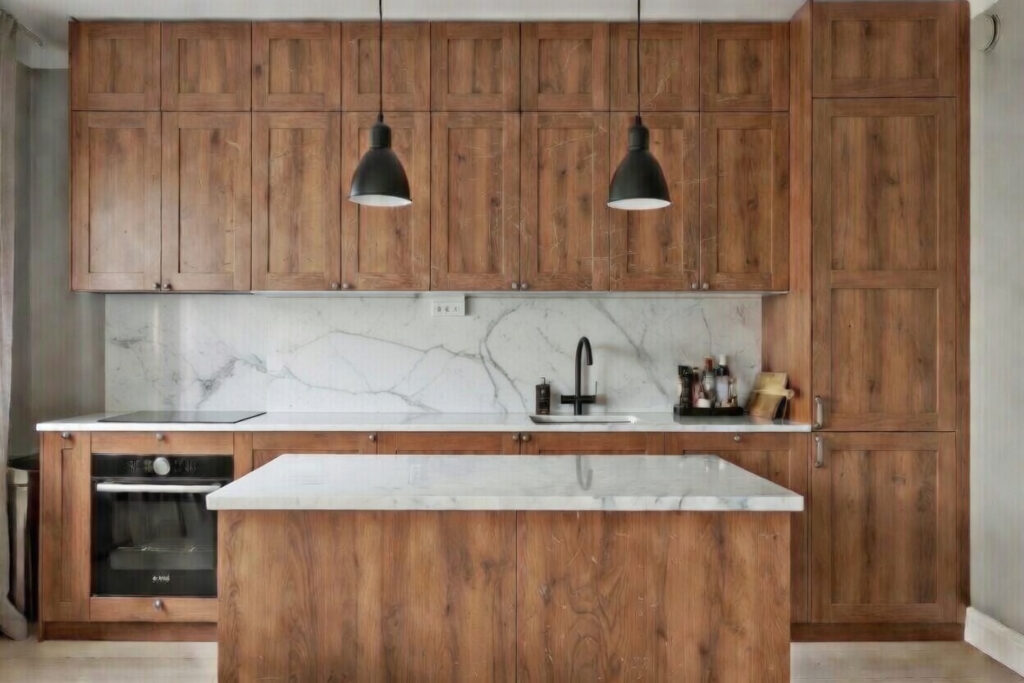
Cabinet refacing is one of the most cost-effective ways to transform a kitchen without a full renovation. However, in Manitoba’s climate—where temperature swings and humidity shifts are common—small errors quickly turn into expensive failures. Below are three critical mistakes that consistently shorten the lifespan of refaced cabinets.
1. Poor Surface Preparation
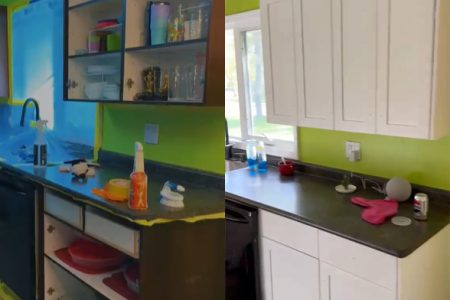
This is the most common and most destructive mistake. Cabinets accumulate grease, silicone residue, and cleaning chemicals over time. Painting or applying veneer over contaminated surfaces leads to immediate adhesion problems.
In Manitoba homes, especially during winter, indoor air tends to be dry while kitchens still collect cooking oils. This combination makes proper degreasing non-negotiable.
What goes wrong:
Paint starts peeling within months
Finish looks uneven or blotchy
Edges fail first, exposing substrate
What works:
Deep cleaning with professional-grade degreasers
Sanding to create mechanical adhesion
Using bonding primers specifically designed for cabinets
Skipping prep might save a few hours, but it guarantees failure.
2. Using the Wrong Materials for Climate Conditions
Manitoba’s climate is not forgiving. Seasonal expansion and contraction affect wood, MDF, and laminate surfaces. Standard paints or low-grade wraps cannot handle these shifts.
What goes wrong:
Cracking or bubbling during seasonal changes
Veneer lifting at seams
Finish losing durability within a year
What works:
Industrial coatings designed for cabinetry
Flexible, high-adhesion primers
Moisture-resistant materials for long-term stability
Cabinet refacing is not wall painting. Using the wrong product system leads to premature breakdown.
3. Ignoring Proper Curing and Application Conditions
Temperature and humidity during application directly affect the final result. Many projects fail because they are rushed or done in uncontrolled environments.
In Manitoba, this is especially critical during colder months when garages or workshops are not climate-controlled.
What goes wrong:
Soft finishes that scratch easily
Poor leveling and visible brush or spray marks
Reduced lifespan of coatings
What works:
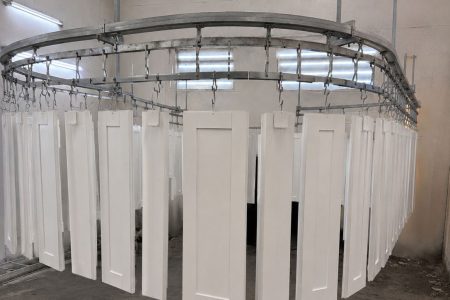
Controlled spraying environments
Adequate drying and curing time between coats
Professional spray equipment for even application
A high-quality finish requires patience and proper conditions. Cutting corners here compromises everything else.
Final Thoughts
Cabinet refacing can deliver a near-new kitchen at a fraction of the cost—but only when done correctly. In Manitoba, environmental factors amplify small mistakes into major issues.
Avoiding these three problems—poor prep, wrong materials, and improper curing—makes the difference between a finish that lasts 10+ years and one that fails within a season.
If the goal is durability, not just appearance, every step of the process must be treated as critical.